Skincare Myths Debunked: Truths You Need to Hear

Ever wondered why that expensive miracle cream isn't delivering its promises? Or why your friend's holy-grail product wreaks havoc on your skin? The skincare industry thrives on myths that cost us time, money, and confidence. Today, we're stripping away the marketing hype and pseudo-science to reveal evidence-based truths that will transform your skincare routine. Prepare to challenge everything you thought you knew about skincare.
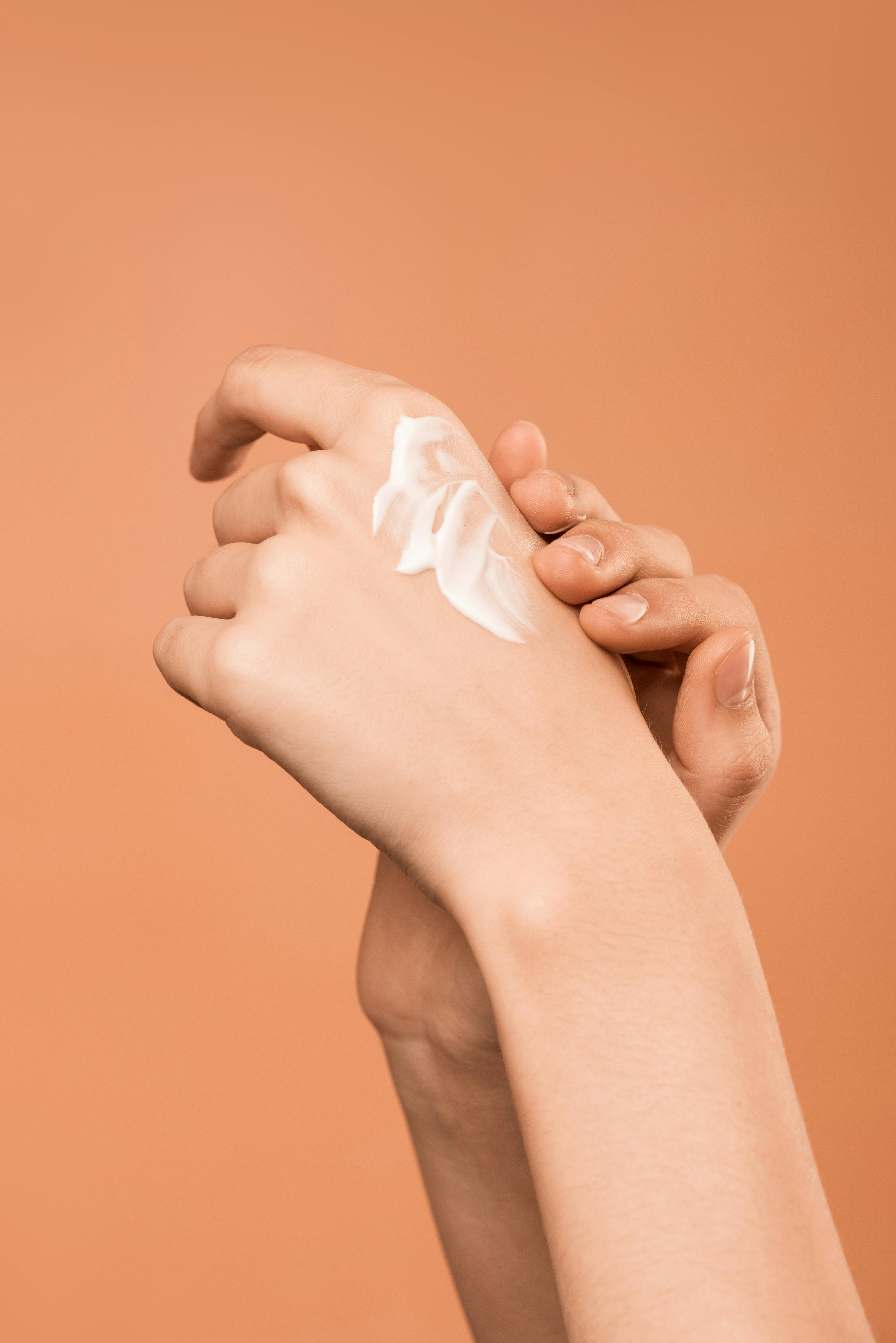
The Price Tag Paradox: Expensive Doesn't Mean Better
Let's start with the most pervasive myth in skincare: premium pricing equals superior results. Research shows that many drugstore products contain identical active ingredients to their luxury counterparts. The real difference? Marketing budgets and packaging costs.
What Actually Matters:
- Active ingredient concentrations
- Formulation stability
- pH levels
- Product compatibility with your skin type
Natural vs. Synthetic: The Clean Beauty Misconception
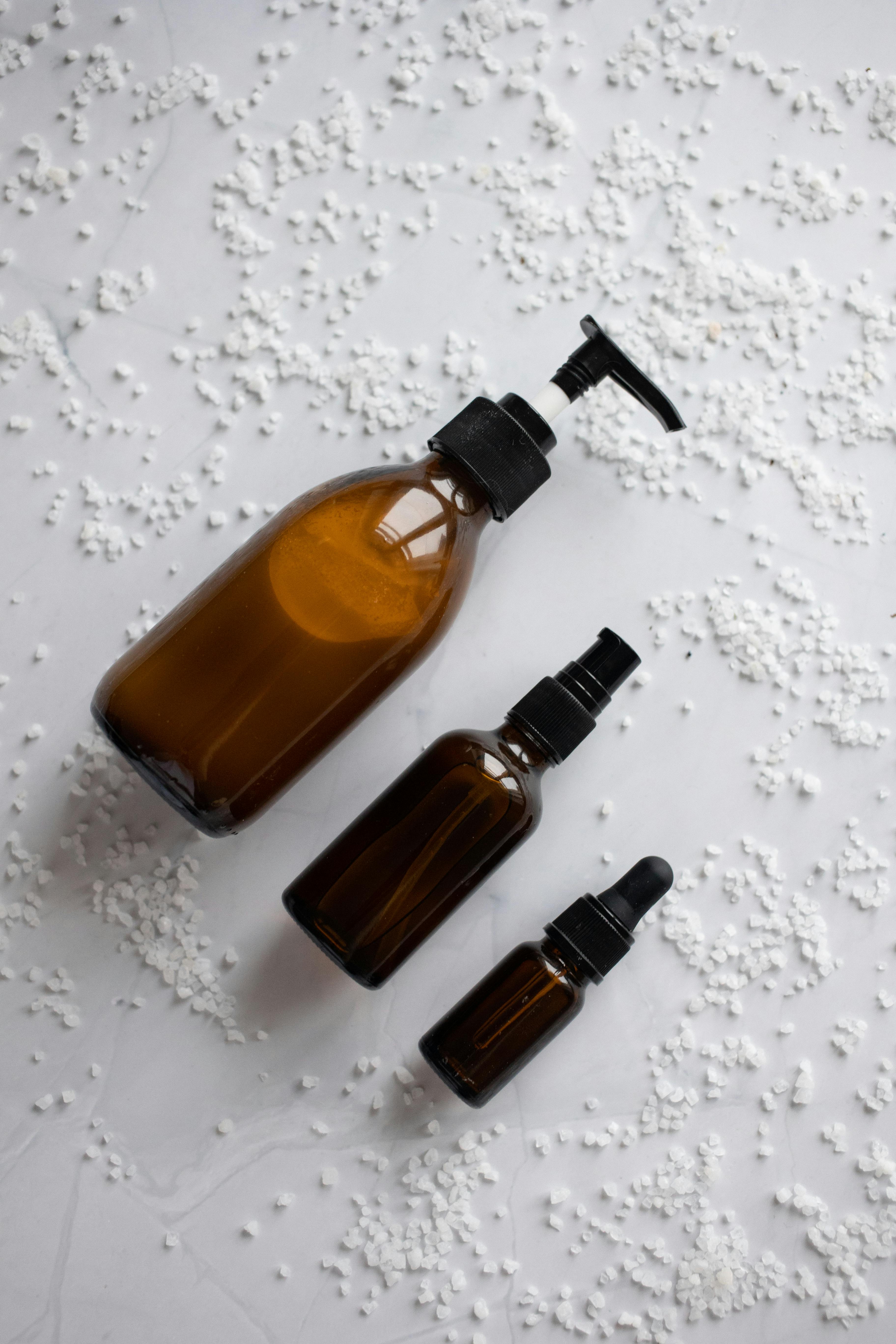
"Natural" doesn't automatically mean safe, and "chemical" isn't a dirty word. Every substance is a chemical, including water. Some natural ingredients can be harsh irritants, while carefully formulated synthetic ingredients can be gentle and effective.
Truth Bombs About Natural Skincare:
- Poison ivy is natural - but you wouldn't put it on your face
- Many natural ingredients vary in potency and stability
- Lab-created ingredients often have better safety profiles
- Both natural and synthetic ingredients can cause reactions
The "Pore-Opening" Myth
Pores don't have muscles - they can't open and close like doors. Hot water or steam doesn't "open" them, and cold water doesn't "close" them. What actually happens is that heat can soften the debris within pores, making it easier to remove.
Age-Specific Skincare: Marketing vs. Reality
The notion that you need anti-aging products in your 20s or specific age-related formulations is largely marketing. Your skin needs are determined by your skin type, concerns, and environment - not your age.
What Your Skin Actually Needs at Any Age:
- Sun protection
- Adequate hydration
- Gentle cleansing
- Treatment for specific concerns (acne, hyperpigmentation, etc.)
The Exfoliation Obsession

Over-exfoliation is one of the biggest mistakes in modern skincare. Your skin doesn't need daily scrubbing or multiple exfoliating products. Too much exfoliation damages your skin barrier, leading to sensitivity, inflammation, and accelerated aging.
Signs You're Over-Exfoliating:
- Increased sensitivity
- Tight, shiny skin
- Persistent redness
- Breakouts in unusual places
The "Detox" Deception
Your skin doesn't need to "detox" - that's what your liver and kidneys are for. Those black spots on pore strips? They're not "toxins" being pulled out - they're oxidized oil and dead skin cells. Claims about skincare products removing toxins are pseudoscience.
Breaking Down the "Perfect" Routine Myth
The 10-step Korean skincare routine isn't necessary for everyone. Some people achieve better results with minimal products. The key is understanding your skin's needs and responding accordingly, not following trending routines.
Essential Steps for Most People:
- Gentle cleanser
- Moisturizer (if needed)
- Sunscreen (during day)
- Treatment products (for specific concerns)
The Truth About Product Absorption
The claim that "60% of what you put on your skin gets absorbed into your bloodstream" is false. The skin is an excellent barrier - that's its job. While some ingredients can penetrate to varying degrees, most skincare products work on the skin's surface or upper layers.
Conclusion: Evidence-Based Skincare
The best skincare routine is one based on science, not trends or marketing claims. Focus on understanding your skin's needs, use products with proven ingredients, and maintain consistency. Remember that changes take time - there are no overnight miracles in skincare.
Quick Tips for Smart Skincare:
- Read ingredient lists, not marketing claims
- Patch test new products
- Introduce one new product at a time
- Document what works (and what doesn't)
- Protect your skin barrier
Comments
Post a Comment