Soothing Sensitive Skin: A Guide to Gentle Care
Soothing Sensitive Skin: A Guide to Gentle Care

Image source: Pexels
Does your skin react to even the mildest products? Do redness, itching, or stinging make finding a skincare routine a constant challenge? You're not alone. Sensitive skin can feel unpredictable and frustrating. But what if you could navigate the world of skincare with confidence, armed with the knowledge to soothe and protect your delicate complexion? This guide will unlock the secrets to gentle, effective care for sensitive skin.
Decoding Sensitive Skin
Sensitive skin isn't a medical diagnosis but rather a description of a skin type that is easily irritated by various factors. Think of it as skin with a lower tolerance threshold. This heightened reactivity is often due to a compromised skin barrier – the vital outermost layer responsible for keeping moisture in and irritants out. When this barrier is weakened, skin becomes more vulnerable to environmental aggressors, chemicals in products, and even stress.
Symptoms of sensitive skin can manifest in different ways, including redness, itching, burning, stinging, dryness, peeling, or breakouts that appear after using certain products or being exposed to specific conditions. While some people are genetically predisposed to sensitivity, others might develop it due to factors like climate, lifestyle, or underlying skin conditions such as eczema, rosacea, or contact dermatitis. Understanding the root cause of your sensitivity is the first step towards finding lasting relief.

Image source: Pexels
Common Culprits: Identifying Your Triggers
Pinpointing what irritates your skin is fundamental to managing sensitivity. While triggers vary, here are some of the most common:
- Fragrance: Often listed as "parfum" or "fragrance," this is a frequent irritant, even in natural forms (like essential oils). Always opt for fragrance-free.
- Sulfates: Found in foaming cleansers (SLS, SLES), they can strip the skin of natural oils, disrupting the barrier.
- Certain Alcohols: Drying alcohols like ethanol or isopropyl alcohol can dehydrate and irritate. Be wary of them high up on ingredient lists.
- Exfoliants: Overuse of physical scrubs or high concentrations of chemical exfoliants (AHAs, BHAs) can easily overwhelm sensitive skin.
- Environmental Factors: Harsh weather (cold, wind, sun), pollution, and sudden temperature changes can trigger reactions.
- Stress: Emotional stress can exacerbate inflammation and sensitivity.
- Tap Water: Hard water (high mineral content) can be drying and irritating.
- Laundry Detergents/Fabric Softeners: Residues containing dyes and fragrances can cause body irritation.
The Gentle Philosophy: Core Principles for Sensitive Skin
Successful sensitive skincare isn't about fighting your skin; it's about nurturing it. Embrace these core principles:
Prioritize Patch Testing
This is non-negotiable! Before applying a new product to your entire face, test a small amount on an inconspicuous area (behind the ear or inner wrist) for several days. Watch for redness, itching, or burning. If no reaction occurs, it's likely safe.
Keep it Simple
A minimalist routine reduces the chances of encountering an irritant. Focus on essential steps: gentle cleansing, soothing hydration, and sun protection. Introduce new products one at a time and allow your skin to adjust before adding another.
Handle with Care
Avoid rubbing, scrubbing, or pulling your skin aggressively. Use lukewarm water, not hot, for cleansing. Pat your skin dry gently with a soft towel instead of rubbing. Treat your skin with the respect it deserves.

Image source: Pexels
Ingredients That Love Sensitive Skin
Look for products formulated with ingredients known for their calming, hydrating, and barrier-repairing properties:
- Ceramides: Essential lipids that are the building blocks of a healthy skin barrier. They help repair and strengthen.
- Hyaluronic Acid: A powerful humectant that draws moisture into the skin without irritation, keeping it plump and hydrated.
- Glycerin: Another excellent humectant that supports skin hydration and barrier function.
- Niacinamide (Vitamin B3): Known for reducing redness, improving barrier function, and its anti-inflammatory properties. Start with low concentrations (2-5%).
- Panthenol (Vitamin B5): Soothes, hydrates, and helps with wound healing and barrier repair.
- Centella Asiatica (Cica): Contains compounds that calm inflammation, heal damaged skin, and act as antioxidants.
- Allantoin: A gentle ingredient with soothing, moisturizing, and healing properties.
- Squalane: A stable emollient that mimics natural skin lipids, providing hydration and improving elasticity.
- Oat Extract/Colloidal Oatmeal: Historically used to soothe itchy, irritated skin due to its anti-inflammatory compounds.
Ingredients Sensitive Skin Often Dislikes
Be vigilant about checking ingredient lists and try to avoid these common irritants:
- Fragrance / Parfum / Essential Oils: Even "natural" essential oils can cause contact dermatitis.
- Sodium Lauryl Sulfate (SLS) / Sodium Laureth Sulfate (SLES): Harsh foaming agents.
- Alcohol Denat. / Ethanol / Isopropyl Alcohol: Drying and irritating alcohols.
- Synthetic Dyes: Can cause allergic reactions.
- Urea (in high concentrations): While moisturizing at low levels, high concentrations can be irritating.
- Propylene Glycol: Can cause irritation in some sensitive individuals.
- Astringents: Witch hazel or high concentrations of alcohol often found in toners.
Crafting Your Gentle Skincare Routine
Build your routine around these core steps, always choosing products specifically labeled for sensitive skin:
Cleanse (Gently!)
Opt for a mild, non-foaming cleanser like a lotion, cream, oil, or micellar water. Ensure it's fragrance-free and pH-balanced. Cleanse once in the evening to remove impurities and sunscreen. In the morning, a simple rinse with lukewarm water is often sufficient to avoid stripping your skin.
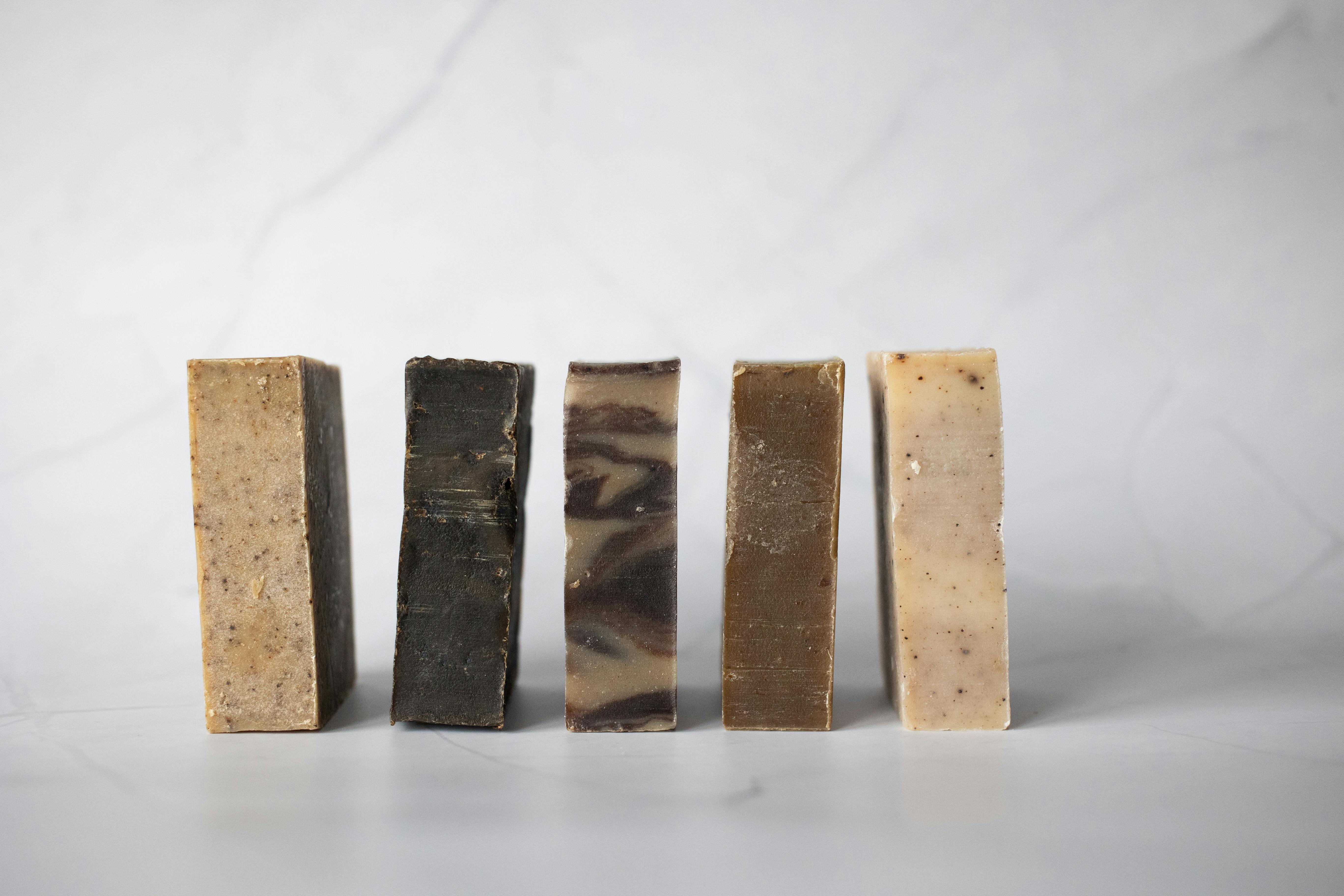
Image source: Pexels
Hydrate and Soothe (Serum/Treatment - Optional)
If desired, follow cleansing with a hydrating serum containing hyaluronic acid, niacinamide, or ceramides. Introduce one product at a time. Avoid applying multiple serums simultaneously if your skin is highly reactive.
Moisturize (Essential Barrier Support)
This is a crucial step. Choose a rich, fragrance-free moisturizer packed with barrier-repairing ingredients like ceramides, fatty acids, and humectants. Apply it immediately after cleansing (and serum, if used) while the skin is still slightly damp to seal in moisture. Moisturize both morning and evening.

Image source: Pexels
Protect (Non-Negotiable Sunscreen)
Daily sun protection is vital. UV radiation damages the skin barrier and exacerbates sensitivity. Mineral sunscreens containing zinc oxide and titanium dioxide are usually better tolerated by sensitive skin types as they are less likely to cause irritation compared to chemical filters. Look for broad-spectrum SPF 30 or higher.
Beyond the Bottle: Lifestyle for Calm Skin
- Internal Hydration: Ensure you're drinking enough water.
- Stress Management: Find healthy ways to cope with stress, as it significantly impacts skin health.
- Environmental Protection: Protect your skin from harsh wind, cold, and excessive sun exposure. Consider a humidifier indoors during dry seasons.
- Laundry Care: Use hypoallergenic, fragrance-free laundry detergents.
- Lukewarm Water Only: Avoid hot baths and showers that can strip skin oils.
Addressing Your Sensitive Skin Questions
How do I know if a product is causing a reaction?
Pay close attention to how your skin feels immediately after application and in the hours that follow. Signs include stinging, burning, itching, sudden redness, or increased dryness/tightness. If you suspect a product, stop using it immediately.
Can sensitive skin use exfoliants?
With caution. Very gentle chemical exfoliants like low concentrations of PHA (Polyhydroxy Acids) or Mandelic Acid might be tolerated by some, used infrequently. Mechanical scrubs are generally too harsh. Always consult a dermatologist before introducing exfoliants to sensitive skin.
Is redness always a sign of sensitivity?
Not necessarily. Redness can also be caused by conditions like rosacea, acne, or allergic reactions. If redness is persistent or severe, consult a dermatologist for diagnosis.
How long does it take to see improvements with a gentle routine?
You might notice reduced irritation and increased comfort within a week or two of switching to a consistently gentle routine. Barrier repair takes time, so significant improvements in overall resilience may take several weeks to months. Consistency is key.
When Professional Help is Needed
While gentle care goes a long way, if you experience severe or persistent symptoms, suspect an allergic reaction, or your sensitivity is interfering significantly with your life, it's essential to consult a dermatologist. They can help diagnose underlying conditions, perform patch testing to identify specific allergens, and recommend specific treatments or prescription products tailored to your needs. Your dermatologist is your best resource for personalized advice and care.

Image source: Pexels
Conclusion: Embracing Calm and Comfort
Living with sensitive skin can be challenging, but it doesn't mean you can't have healthy, comfortable skin. By adopting a gentle, minimalist approach, understanding your triggers, choosing soothing ingredients, and protecting your skin barrier, you empower yourself to manage sensitivity effectively. Be patient with your skin, listen to its needs, and remember that consistency is your greatest tool. With the right care, you can move beyond constant irritation and enjoy the feeling of calm, soothed skin.


Comments
Post a Comment